Photography is a form of art that leaves you with a lot of flexibility of what to do with an image. Generally when you shoot in RAW, you have more of a profile to work with than you would with JPEG. Whilst shooting in JPEG may look like you have a great base image that doesn’t need much work, I prefer to think of JPEG is how the image could look like as the alterations on it are pretty automatic, compared to RAW Which takes a more flat profile image.
In this post, I am going to go through several differences between shooting in RAW or shooting JPEG. If you’re like me, you shoot in both. I only shoot in both because it’s SO Much more quicker for me to go through images when editing as JPEGs load instantly whereas RAW uses up more processing power when loading and takes much longer, so it’s more time-efficient for me… and also easier for me to see the difference!
If you swipe, here is a basic, can you guess which one is RAW? I’ll give you a hint… it’s the one with less ‘grain’.
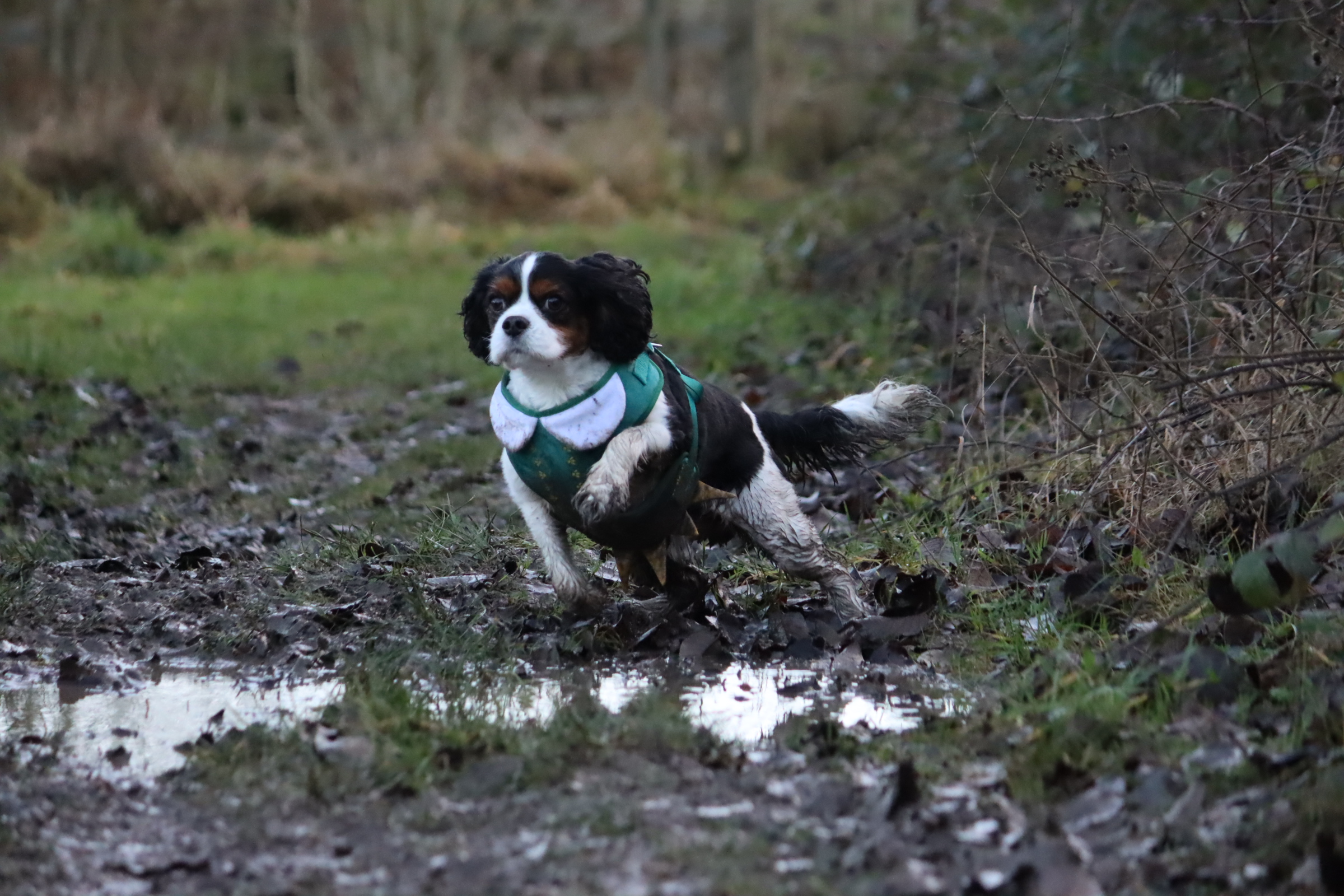
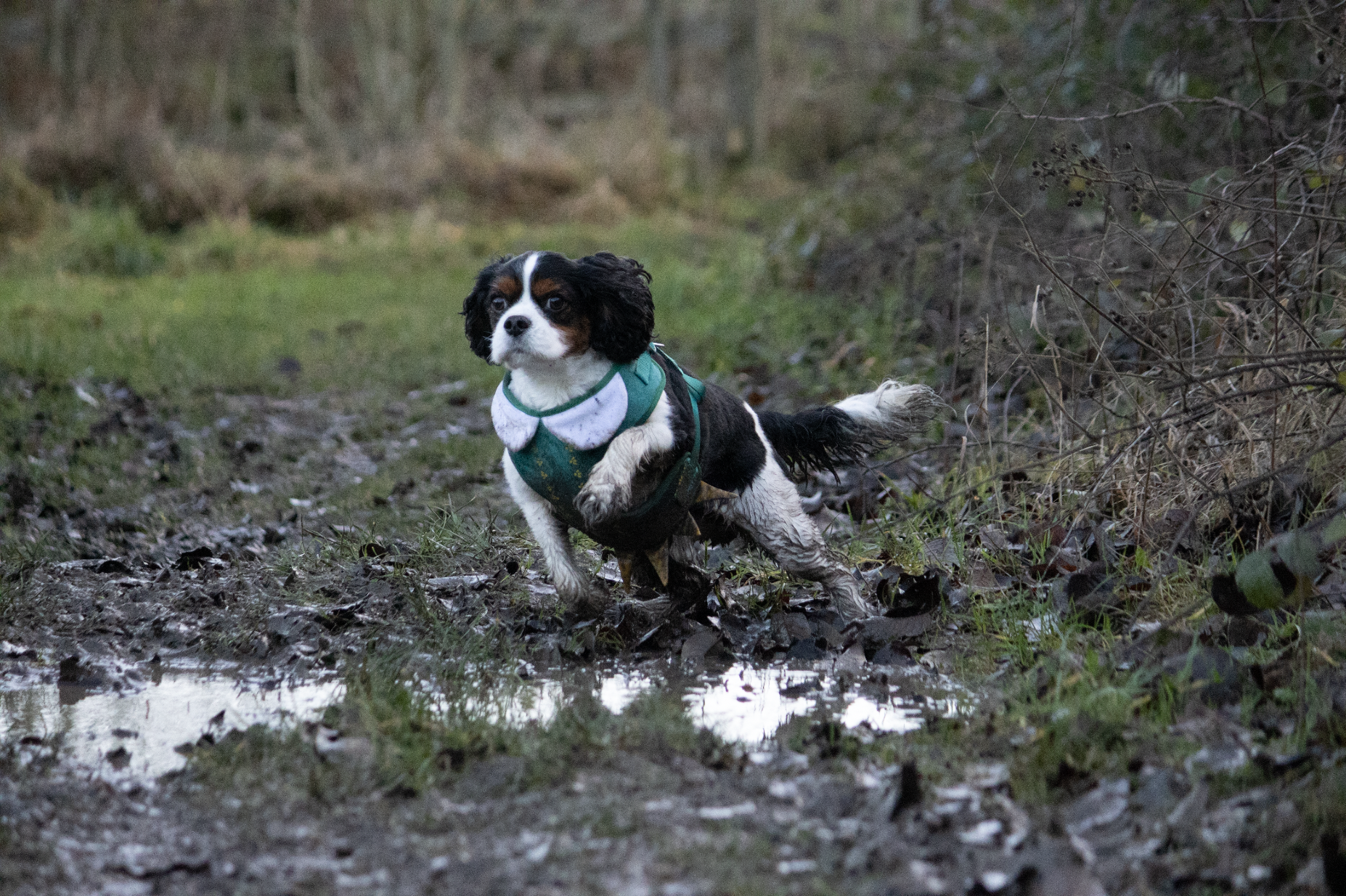
Now, in regards to grain, let’s get to the nitty gritty. RAW OR JPEG? If you’re shooting high speed shots such as a sporting event, you may find that JPEG is best for you and that totally makes sense, besides sporting shoots don’t really need much editing. You aren’t going to airbrush dirt out, sport is generally dirty, unless of course, you’re doing a vehicle sport shoot. Maybe not so. Depends on the vehicle sport though I guess.
In general, for animals, nature, and model photography, RAW is a no brainer. You are limitless almost in what you can do. No you aren’t going to unblur a completely out of focus image, that’s not quite… how it works. Nice thinking, though!
Firstly, editing. You can open a JPEG image straight through photoshop and begin from there. One good thing is Raw, is, with photoshop, there is a great add on called Camera RAW, and that is always where I start with my images. It has many Lightroom features. Photoshop is my preferred way of editing but also, Luminar, also.
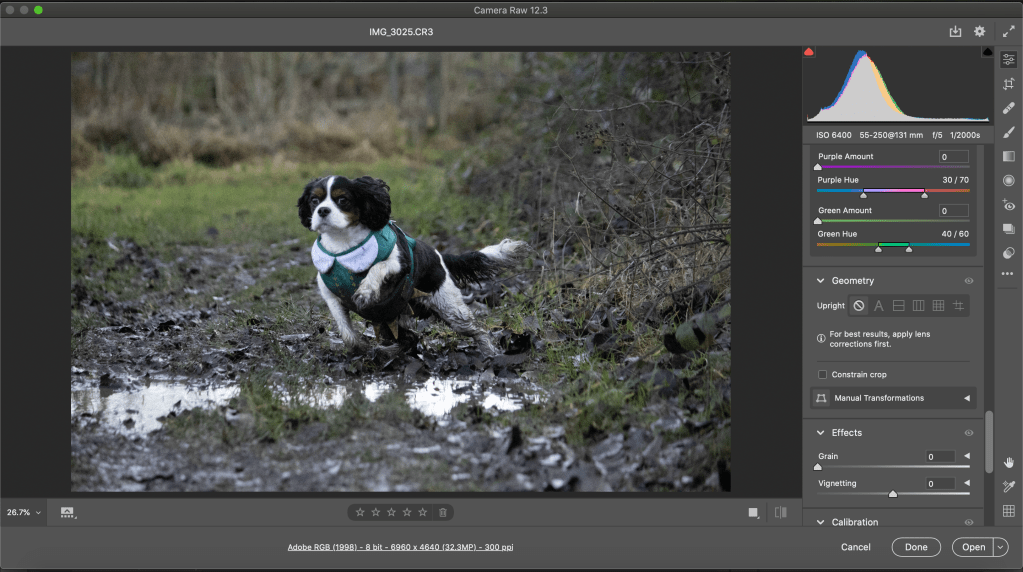
Generally in camera raw, I bring up the shadows, bring down the highlights, add a slight bit of clarity to it, and when shot at an high ISO, which you can see here it is shot at ISO 6400, 1/2000s at f/5, the image is actually quite grainy, so I have also brought down the noise to a reasonable level.
For the image size comparison, here is a RAW vs JPEG. As you can see, shooting RAW actually is a larger image, and naturally will contain more details, but also be a larger file size.
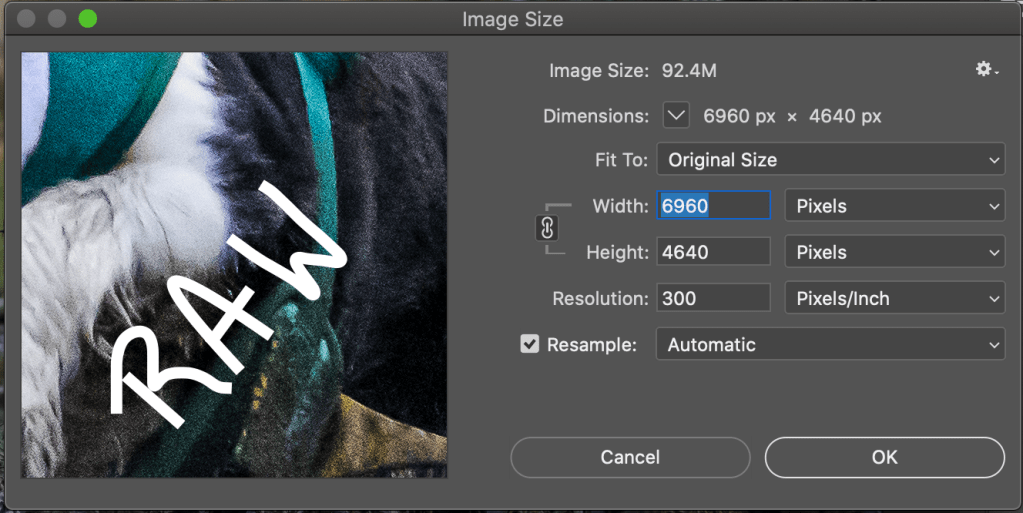
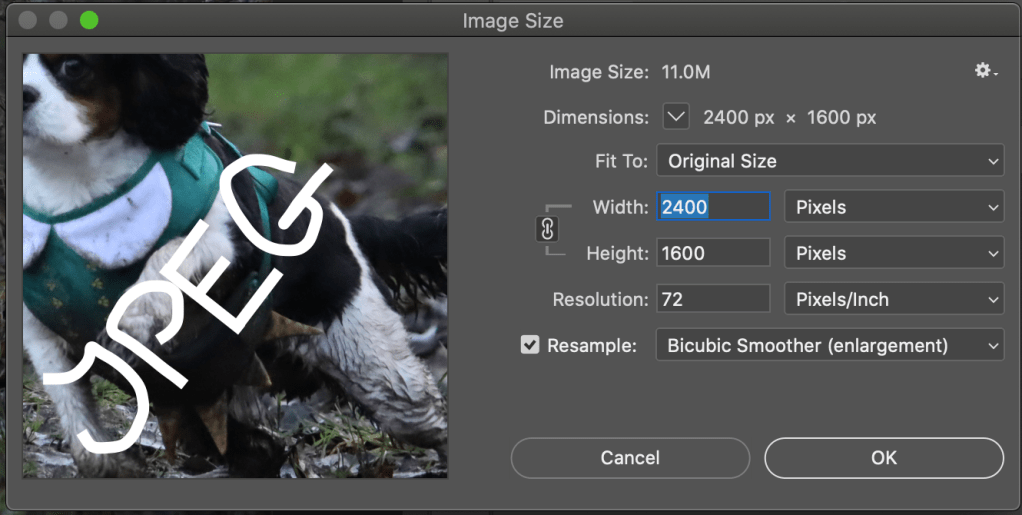
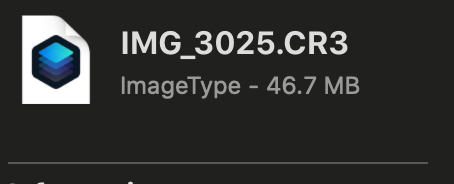
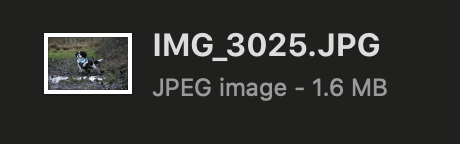
The RAW file (Left) is 46.7mb, whereas the JPEG is 1.6mb. This is because a RAW file actually contains more tonal and colour data, whereas a JPEG is a RAW image taken and significantly compressed down. The best way of describing it is like having a folder, and making it into a ZIP folder. You still have all the initial information there, but the quality has compressed quite significantly. RAW captures all the detail on the sensor as it is. When it comes to processing you are able to tell the RAW file how you want that image to show, and therefore have more control over individual ‘layers’ of the image than you would with a JPEG.
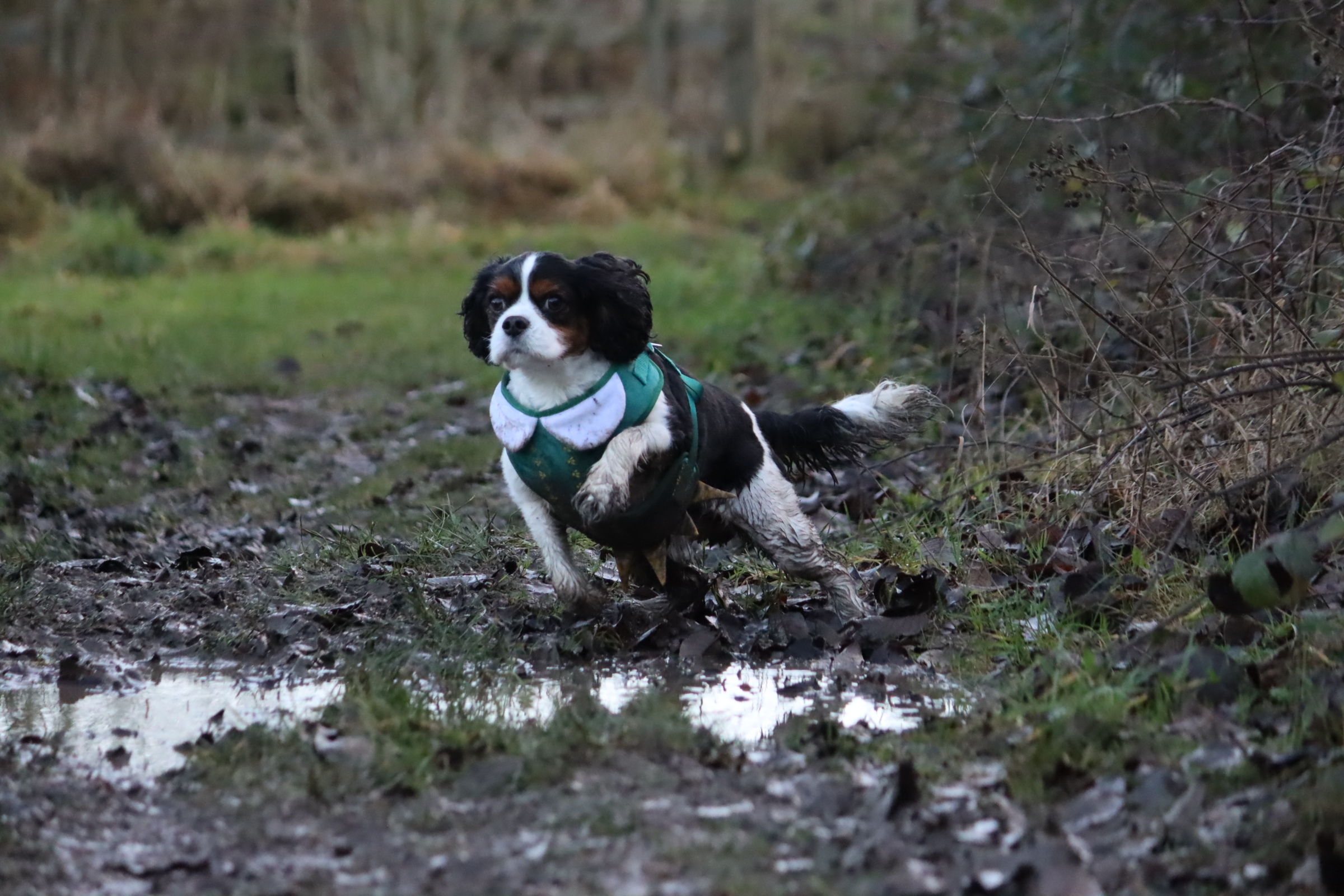
Now i have opened the images in photoshop and the difference is already pretty night and day. As you swipe, you can see the JPEG image is now more flat-basic image, whereas the RAW edit has more detail, texture, colour and sharpness, however the JPEG image looks a bit more softer. Now, lets zoom in…
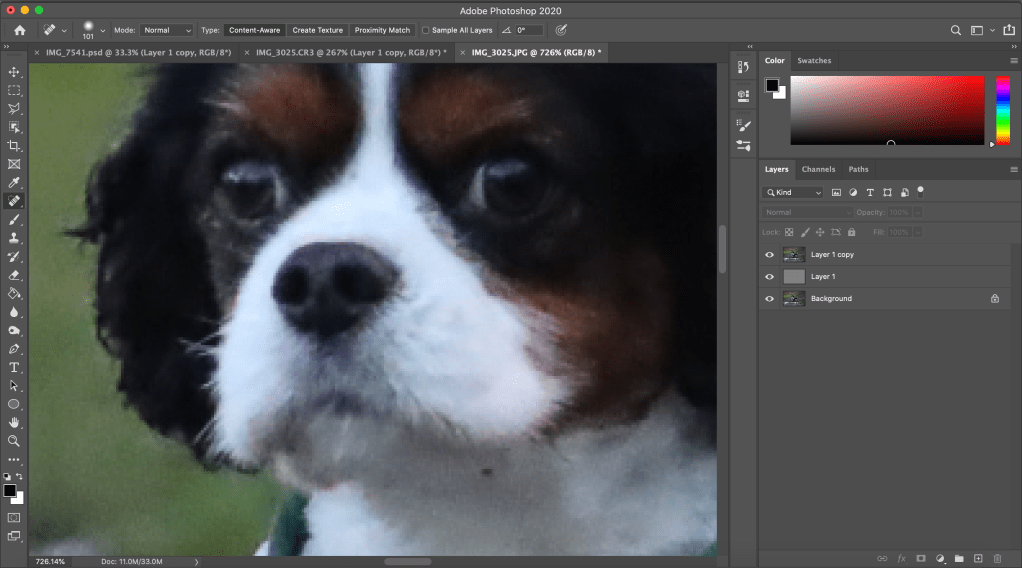
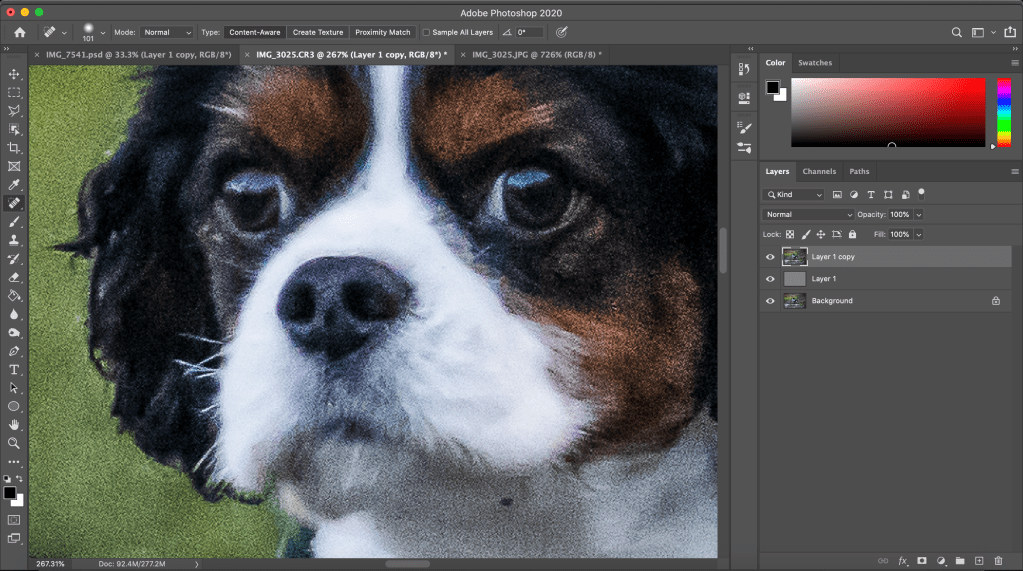
Left is the JPEG image, as you can see, zoomed in, it is a lot more pixelated in comparison to the RAW image. Again this just comes down to compression, the zoom is at 726% in comparison to the RAW image which is only 267% zoomed in. I couldn’t get too much closer zoomed into the JPEG without it showing me the grids, whereas the RAW I was ale to go right up to the dogs nostril before it showed me any grids. Another difference between the two is the noise, the RAW has more noise, but when reducing noise in an image you do not want to over do it as you can then begin to lose overall quality and the image will become more blurry.
Another good thing about shooting RAW is the ability to crop an image. When cropping a JPEG, because the image is already compressed, you will see the loss of detail, whereas cropping a RAW Image, it gets more difficult for this to be noticeable and it gives you more editing opportunity, especially if you have an image with large megapixels. I use the Canon EOS90D, which is a Cropped lens, but shoots at 32.5megapixels… which is quite a jump from my previous 60D that only had 18. I have found I am able to crop into images more without losing noticeable quality.
I decided to jump in and edit the image to see what the results would be, using the same colours and details, once again the RAW image is a lot more sharper, easier to edit and more colour to work with, especially in the dogs eyes.
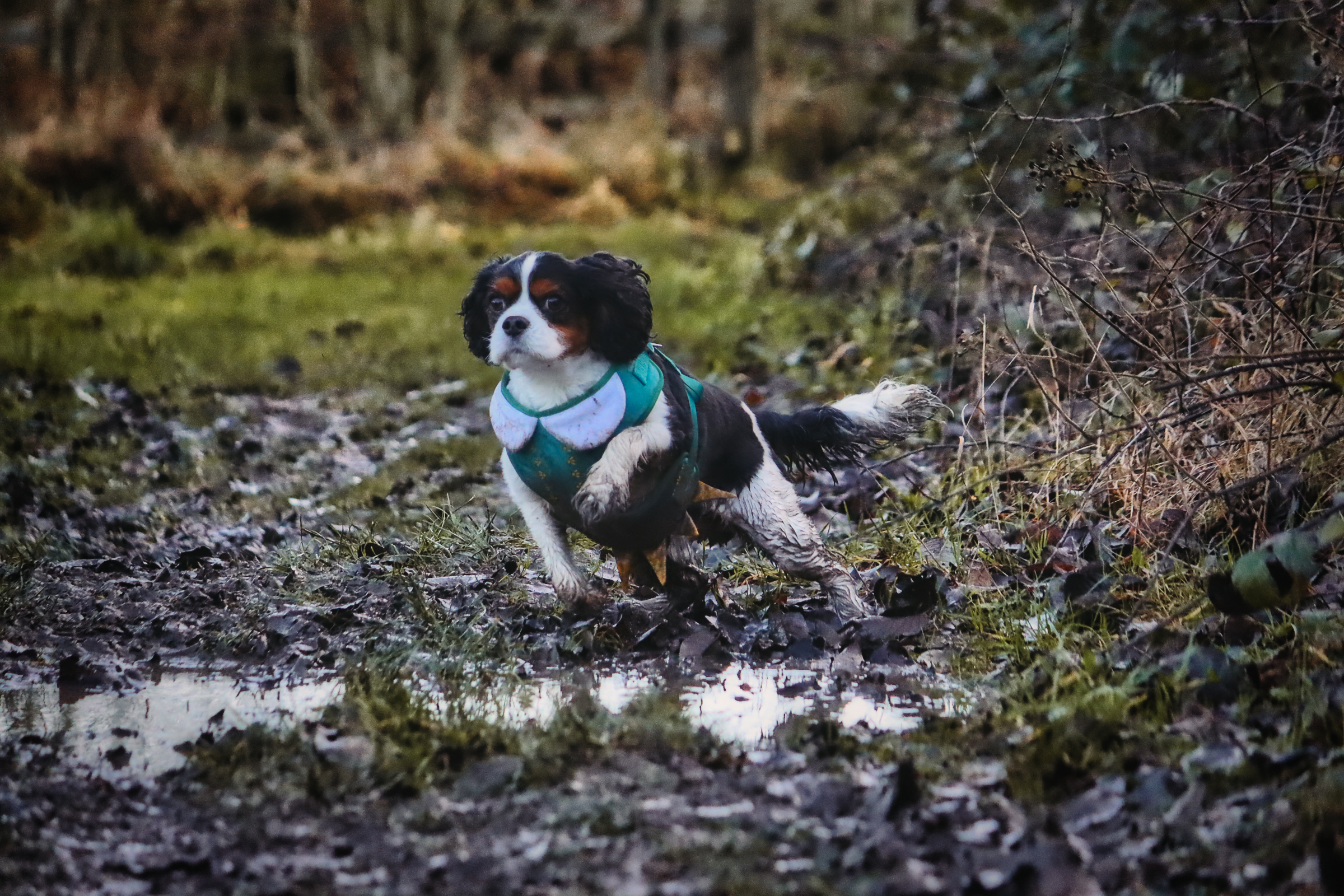
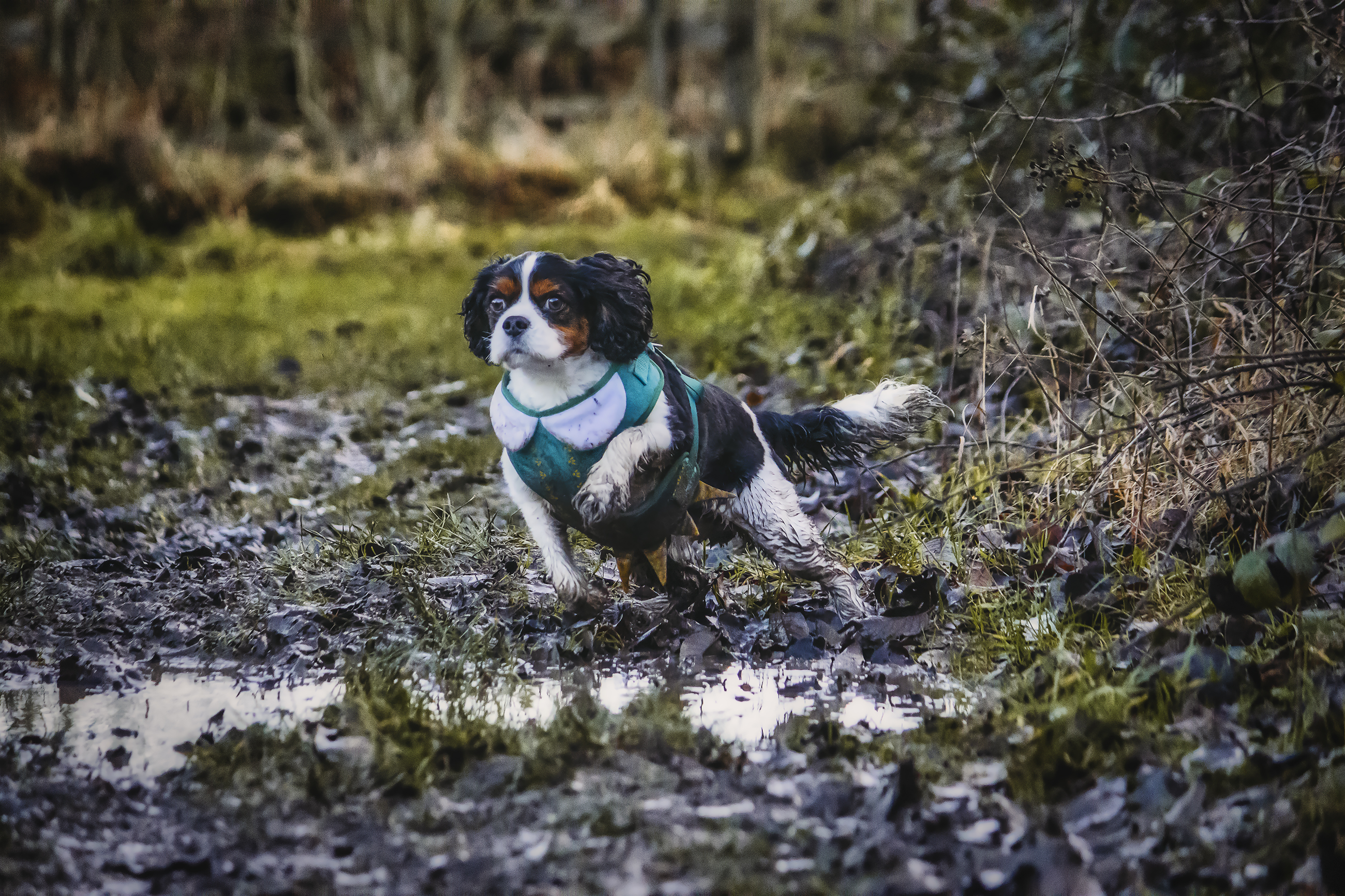
Can you guess which one is the JPEG and which one is the RAW?
My hypothesis is RAW will always be a highly recommended shooting mode, there isn’t any question about it. It gives you so much more flexibility with the image and it makes it so much easier to bring out the detail and quality and colour in an image than what you can with RAW. Even though both have the same edit applied, the difference is pretty much night and day, moreso if you decide you want to edit the image. If you don’t plan on editing the image, then JPEG may be for you, as the RAW image may be too flat initially without some adjustments.
What are your thoughts?
 Miss D Photography